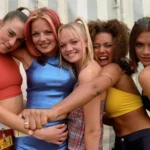

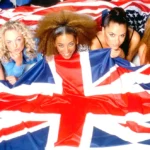
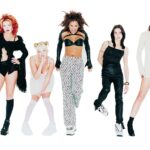
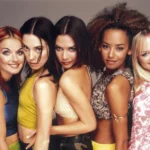

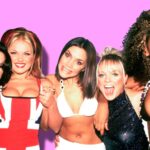
Spiceworld is the second studio album by the English girl group the Spice Girls, released on 1 November 1997 by Virgin Records. Incorporating dance-pop and an upbeat sound, Spiceworld further fueled the "Spicemania" ignited by their debut album Spice. Reaching number one in the UK and 13 other countries, it has sold over 14 million copies worldwide, making it one of the best-selling girl-group albums ever.
The album spawned four singles — “Spice Up Your Life,” “Too Much,” “Stop,” and “Viva Forever” — all of which charted in the top five globally. To promote Spiceworld, the group embarked on their debut headlining concert tour in 1998, playing 97 dates across Europe and North America. It was the last studio album to feature Geri Halliwell before her departure (though she rejoined the group in 2007). An expanded anniversary edition, Spiceworld25, was released on 4 November 2022.
Spiceworld also served as a soundtrack companion to their 1997 film Spice World, a musical comedy starring the group. Despite a quick turnaround and massive media coverage, the Spice Girls maintained remarkable momentum through catchy pop hooks and an infectious sense of fun.
By the close of 1998, Spiceworld had sold 13 million copies. From chart records to “Girl Power” branding, the Spice Girls left an indelible mark on late-’90s pop culture.
10 MONTHS
4
10
Latin-inspired dance-pop anthem encouraging global fun and “Girl Power.”
Sultry R&B-tinged ballad that reached #1 in the UK and top charts globally.
Motown-flavored pop track that famously broke their streak of consecutive #1s by peaking at #2 in the UK.
A dreamy pop ballad with Latin elements, charting at #1 in the UK and beloved for its touching animated video.
High-energy opener with samba/salsa influences, urging worldwide unity through dance-pop.
Motown-inspired arrangement showcasing tight vocal harmonies and iconic choreography.
An R&B-tinged ballad highlighting the group’s smooth harmonies; soared to #1 in multiple territories.
Disco-inflected track with strong vocals and a pulsing dance beat, perfect for weekend fun.
An uplifting dance track nearly issued as a double A-side single with “Viva Forever.”
Also known as “Generation Next,” it gained fame via a major soda campaign partnership.
Upbeat pop empowerment track championing ambition and friendship.
Funky, rhythmic number that dives into issues of trust and miscommunication.
Emotional ballad featuring Spanish guitar influences, exploring themes of friendship and nostalgia.
Jazz-inspired closer name-checking icons like Marilyn Monroe; a cheeky, retro twist.
The album was released during the holiday season, capitalizing on gift sales and year-end chart positions.
Aggressively promoting "Girl Power" resonated with young audiences and feminists, becoming a global cultural phenomenon.
Perfectly crafted pop tracks dominated global charts, ensuring widespread radio play and media performances.
Their first major international tour solidified their presence as global pop icons and boosted album and merchandise sales.
Dominating entertainment media through interviews, TV appearances, and headlines kept them in the spotlight.
Extensive merchandise lines targeted their fan base, generating additional revenue and expanding their cultural footprint.
Partnerships with major brands like Pepsi enhanced their mainstream appeal and global promotion.
Each member's unique persona deepened fan engagement and created a memorable group identity.
Releasing during a period of global pop music growth allowed them to capitalize on an expanding international market.
Close relationships with fans through newsletters, fan clubs, and promotional events ensured strong support and word-of-mouth promotion.
Released in November 1996, the Spice Girls’ debut album Spice became a global smash, introducing the world to “Wannabe” and the group’s “Girl Power” ethos. Spice set the stage for the mania that followed.
Building on the unprecedented success of Spice, Spiceworld was released just a year later and quickly dominated the charts. Simultaneously, the group shot a feature film, Spice World, weaving the album’s music into the movie’s storyline. Fans and critics alike praised its catchy, high-energy tracks, catapulting the group to global superstardom.
Kicking off in February 1998, this 97-date run spanned Europe and North America. Despite Geri Halliwell’s departure that May, the tour was a massive success, with stadium shows selling out rapidly. Live renditions of hits like “Spice Up Your Life” and “Stop” solidified the group’s pop culture dominance.
The Spice Girls harnessed their message of empowerment and fun, forging a pop phenomenon that defined the late ’90s.
In early 1998, the Spice Girls launched the Spiceworld Tour, their first major concert run. Spanning February to September, it comprised 97 shows across Europe and North America. Despite Geri’s unexpected exit in May, the tour remained a commercial triumph that showcased fan-favorite tracks from Spice and Spiceworld.
Their setlists included signature hits — “Wannabe,” “Say You’ll Be There,” “Spice Up Your Life,” “Too Much,” and more — complete with high-energy choreography, flashy outfits, and onstage banter that embodied the Spice Girls’ signature “Girl Power.”
During the Spiceworld era, the Spice Girls collaborated with several brands, most notably Pepsi. Tracks like “Move Over (Generation Next)” appeared in Pepsi campaigns worldwide, showcasing their mastery of global promotion and “Girl Power” messaging.
The Spice Girls partnered with Pepsi for high-profile commercial spots, stadium sponsorships, and exclusive single promotions. The synergy boosted both parties, aligning Pepsi’s youthful image with the group’s vibrant energy and unifying “Generation Next” concept.
Globally televised ads, limited-edition Pepsi cans, and promotional concerts generated millions of impressions. Fans flocked to collect branded merchandise, deepening the group’s pop-culture footprint.
The Spice Girls exploded onto the music scene in the mid-1990s and quickly became a global pop phenomenon. Their success was driven by a combination of catchy pop hooks, a strong "Girl Power" message, and five distinct personas that appealed to a broad range of listeners.
Based on fan surveys and marketing reports from the late 1990s, here’s an approximate breakdown of the Spice Girls' audience:
Each Spice Girl carved out a unique persona, giving fans a specific archetype to connect with. Fan polls at the group’s peak success might look like this:
The Spice Girls released three studio albums during their initial run. The line chart below approximates cumulative global sales (in millions) for each album over time (1996–2000).
• Spice (1996): ~23M
• Spiceworld (1997): ~14M
• Forever (2000): ~4M
Despite the “Girl Power” message, a sizable male audience also embraced the Spice Girls. Beyond their physical appeal, the group's infectious pop sound and constant media presence made them impossible to ignore. Men bought singles, attended concerts, and collected merchandise because the music was fun—and each Spice Girl’s distinct style kept the group visually and musically exciting.
85+ Million
"Wannabe"
9
The Spice Girls leveraged their “Girl Power” branding to offer extensive merchandise lines: T-shirts, CDs, posters, tour programs, and more. Below is an approximate revenue breakdown for some top-selling items:


“We’re five girls who basically put our foot down and said, ‘This is what we believe in.’ We’re not manufactured, we write our songs, we come up with our own dance routines, and we decide what we do.”
— Spice Girls (mid-’90s press interview)